


Libido and Depression: Medication, Mood, and Sexual Health

libido changes can reflect mood, medication effects, sleep, stress, relationship context, or hormone issues

Explora guías de salud respaldadas por expertos diseñadas para ayudarte a mejorar tu bienestar general. Desde el equilibrio hormonal y la salud sexual hasta el antienvejecimiento, la nutrición y los suplementos naturales, nuestros artículos detallados ofrecen explicaciones claras, consejos prácticos y las últimas investigaciones para ayudarte a tomar decisiones informadas sobre tu salud y estilo de vida.
libido changes can reflect mood, medication effects, sleep, stress, relationship context, or hormone issues

MRI may be part of evaluation after elevated PSA, but the decision depends on risk, repeat testing, and urology guidance
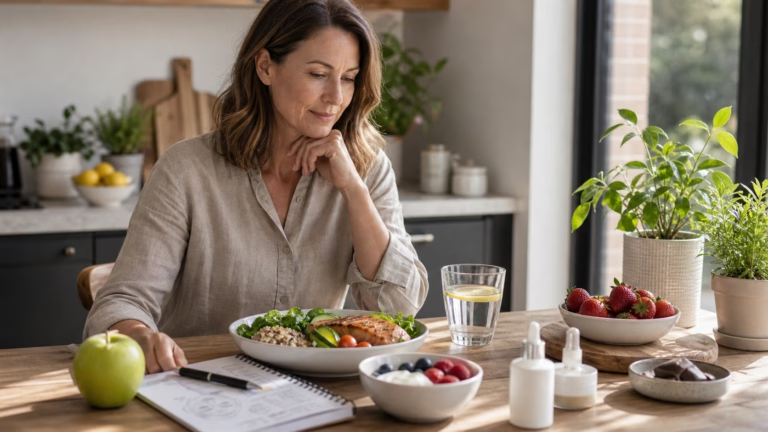
glycation connects blood sugar patterns, collagen, and skin aging claims, but lifestyle basics matter most
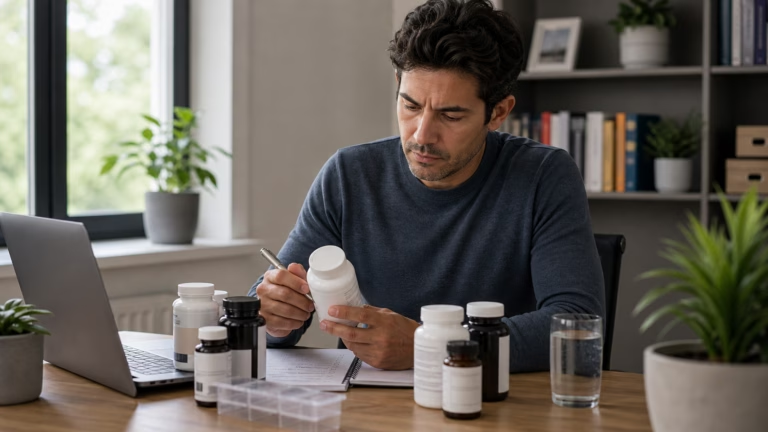
stacking nootropics can create duplicate caffeine, herbs, or side-effect risks

perimenopause can affect sleep, mood, cycle patterns, and libido before menopause is complete

porn-related ED discussions need nuance around arousal, anxiety, relationship context, and medical causes

GLP-1 medications and supplement appetite claims should not be confused
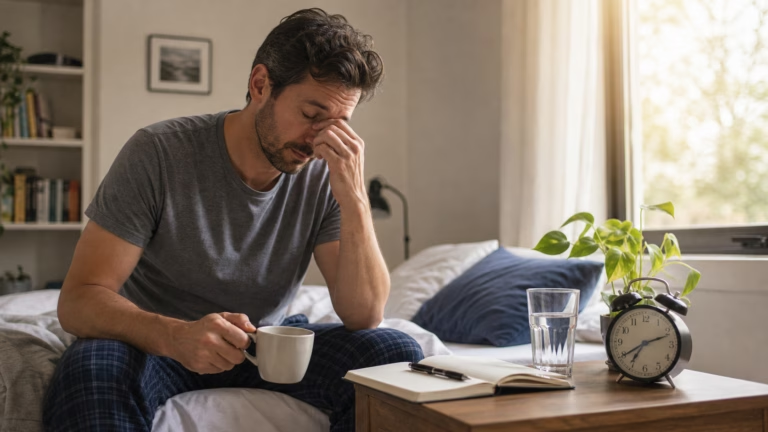
catch-up sleep can help, but chronic sleep debt affects mood, appetite, energy, and hormone routines

sperm production is temperature-sensitive, so heat exposure is a practical fertility lever for some men
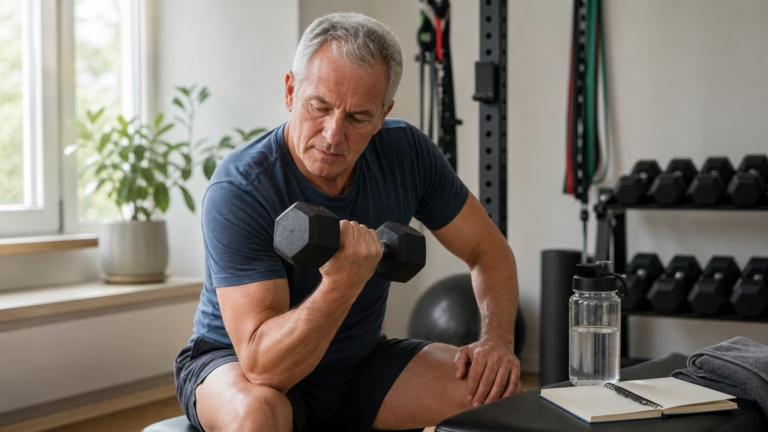
strength training after 50 supports muscle, function, insulin sensitivity, and hormone health better than most supplement shortcuts

maca is marketed for libido and energy, but evidence and product quality vary

nighttime urination can come from prostate issues, sleep disorders, fluids, medications, or diabetes risk